Saregama has a catalogue of songs it owns outright and almost no video to go with them, so it is generating the visuals. That is a duller use of AI video than anything on your feed, and it is probably closer to where the real money sits: not new art, but filling in footage that was never shot. The tooling moved the same way this week, with Autodesk handing over 3D control before the render and a community LoRA cutting MiniMax H3 to four sampling steps. The useful question stops being what can this make, and becomes what do you already own that has no pictures.
NEWS
Autodesk launched 3D Editor + Canvas for Flow Studio, letting creators block scenes, keyframe cameras, and direct animation in a 3D environment, then render the final look with 2D AI models. This solves the biggest limitation of prompt-based AI video: precise control over composition, camera movement, and timing.
Adobe combined its separate ChatGPT plugins (Photoshop, Express, Acrobat) into a single plugin that accesses over 70 Creative Cloud tools, including Premiere, Lightroom, Illustrator, and Firefly. Users describe tasks in natural language and the plugin automatically selects the appropriate tools. Example workflows include batch photo editing, video highlight reels, and document conversion, available globally on ChatGPT web and app.
Saregama is using generative AI to produce new music videos for its catalog of 1960s and 1970s songs because the original film deals didn't include video rights. AI video generation replaces costly traditional production with contemporary visuals, enabling monetization of legacy content without legal barriers.
Eli Roth confirmed generative AI was used in animated sequences for his film 'Ice Cream Man' after initially describing a traditional hand drawn process. The admission came after Polygon updated their reporting with a new statement from Roth, following early screening viewers identifying AI generated material. Roth did not specify which scenes used AI or how much. Dark Half, a company specializing in AI VFX, is credited. The story highlights ongoing tensions around disclosure of AI use in film production.
Suno is introducing audio watermarking and fingerprinting to help streaming platforms identify AI-generated songs, along with a new download policy to limit mass distribution for fraudulent royalty collection. The company also updated its community guidelines to explicitly prohibit scams, fake engagement, and unauthorized use of copyrighted material. These changes tighten rules for creators using Suno to generate and distribute music, while the company continues facing lawsuits from major labels.
ANALYSIS
Curious Refuge tested Elon's new AI video tool, Grok Imagine 1.5, alongside MiniMax H3, sharing honest opinions on quality, usability, and cost. The review includes practical examples and a full written breakdown on their blog. It offers timely insight for creators evaluating AI video models for production.
TOOLS
A new LoRA for MiniMax-H3 cuts sampling steps from about 20 down to 4, roughly a 5x speedup on joint video and synchronized stereo audio. It is still a preview: output is sharp, but skin reads plastic and the grain is over-sharpened, and the author has paused training to deal with it. The ComfyUI nodes are prototype code.
QUICK HITS
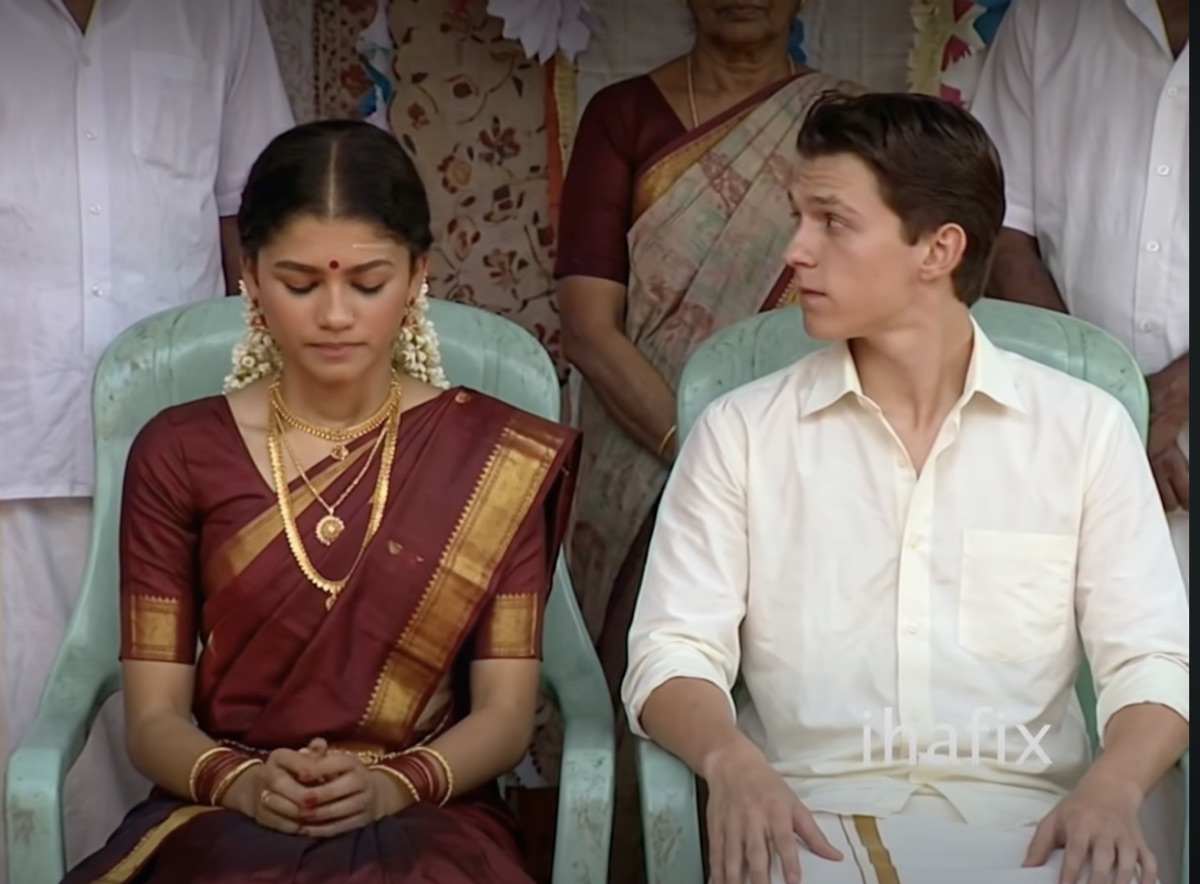 @ihafix sat Tom Holland and Zendaya down as a South Indian wedding couple and filled the family rows behind them with the Avengers. What sells the frame is not the celebrity faces, it is the green plastic monobloc chairs, the jasmine pinned into the braid, the flat camcorder colour. Get the boring texture right and nobody interrogates the impossible part.