Labels and takedowns are only as strong as the platform enforcing them. X now wants to explain why it flagged a post as AI, but its system is automated and built for speed. In Delhi, a court ordered six AI videos removed, and five were still on X four days later. If your work depends on a label being right, or a fake coming down, plan for it to be slow.
NEWS
On 6 November the Delhi High Court ordered the Aam Aadmi Party to remove six AI posts showing Delhi Chief Minister Rekha Gupta as a liquor vendor. By 10 November only the Facebook video was gone. All five posts on X were still live, and one had passed 512,000 views. Justice Manoj Jain said humour and satire do not cover turning someone into an object of ridicule. He said courts will keep stepping in case by case until a law covers AI content, so parody with a real person's face is not a safe harbour in India.
X's head of brand safety, Michael O'Herlihy, showed the new labels at the Brand and AI Safety Summit in New York on 10 November. Each one explains why X's automated system tagged a post as AI. Creators get that detail so they can push back on a wrong tag, and X plans to use the feedback to train the detector. X says it leans on automation because it is faster. The catch is false positives: a label on real footage may make people less likely to share it. It is still a test, with no date for a wider rollout.
TECHNICAL
Curious Refuge ran both models through six tests in Magnific, from a desert chase with character references to a dialogue scene in a New York taxi. Seedance came out ahead on action physics, camera moves and a live-action look. Kling's one clear win was matching an anime style reference. The desert scene cost US$24.00 per generation on standard Seedance and US$8.40 on Kling at 1080p. Seedance Draft cost US$6.00, about 30 cents more than Kling at 720p, so test in Draft and pay for standard only on the take you keep. Curious Refuge sells AI filmmaking courses.
ANALYSIS
Nine of the ten Sneaks at Adobe MAX used generative AI. Project Rinse Repeat did not, and Digital Camera World's reporter in the room says it got the best response. It watches one edit you make with normal Photoshop tools, like a drop shadow or a blemish fix, then repeats it across the rest of the image. It generates no new pixels. Sneaks are research demos, not products, and Adobe gave no release date. The reaction is a fair read on what editors want from AI: the repetitive work done, the creative call left to them.
Google researchers sorted 2.1 million Nano Banana conversations into five uses: social, brand and marketing, product and e-commerce, architecture and design, and education. They read the prompts, not the images, to protect privacy. Including people was the most common feature, at nearly 80%, and memes were among the least common. Marketing chats had the most requests for exact text and typography, and many came from small businesses and side hustles rather than big brands. Users asked the model to start over about twice as often as they asked for a minor change.
TOOLS
Select a range on your timeline and Mirelo reads the shots, then generates sound effects, foley and ambience that land in sync with the action. It keeps detected dialogue and can replace music a video model added that you never prompted for. Each sound comes in on its own layer, so you can duck it under speech or swap it. The plugins use your existing Mirelo account and credits, and Mirelo gives no per-generation price. The Resolve version needs the paid Studio edition, because free Resolve does not take third-party plugins.
Ready to Play adds three tools to Media Composer. Create Video makes clips from a prompt or a still pulled from your sequence, Modify Video uses prompts for fixes like removing a boom mic, and Analyze Video writes clip descriptions into metadata. Every output is a separate clip, so originals stay untouched. It is free from Avid for Media Composer Ultimate and Enterprise users, but Gemini needs your own Google Cloud billing account and usage charges land there. Avid's headline stat, 76% saying AI made them faster, counts only editors who already use AI weekly or daily.
QUICK HITS
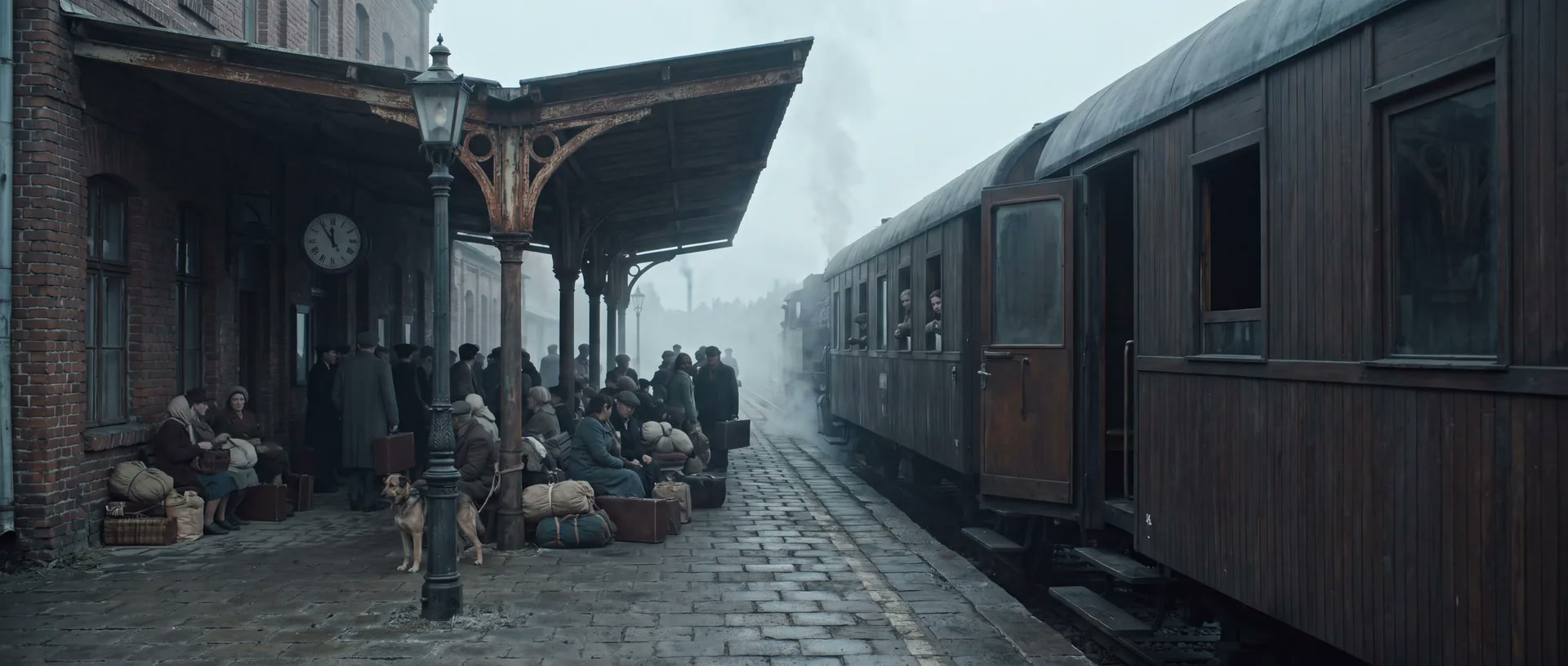 Magnific's in-house studio released Smoke on 27 October: 4 minutes 56 seconds, 42 shots, 10 days from script to final cut, and about nine generations for every shot that made it. A mother and her two sons reach a railway station, and the older boy slowly works out what his little brother cannot. All the video is Seedance 2.5 Pro. The making-of page is the useful part. Each character got a sheet and a medium face shot first, plus one group image to keep the younger boy a head shorter in every shot. Each location was built from a single wide shot, and takes were tested in Draft before the keeper went to HD. Magnific sells the tools it used, so read it as a showcase. Made by Magnific Studios, directed by Mario Alonso.